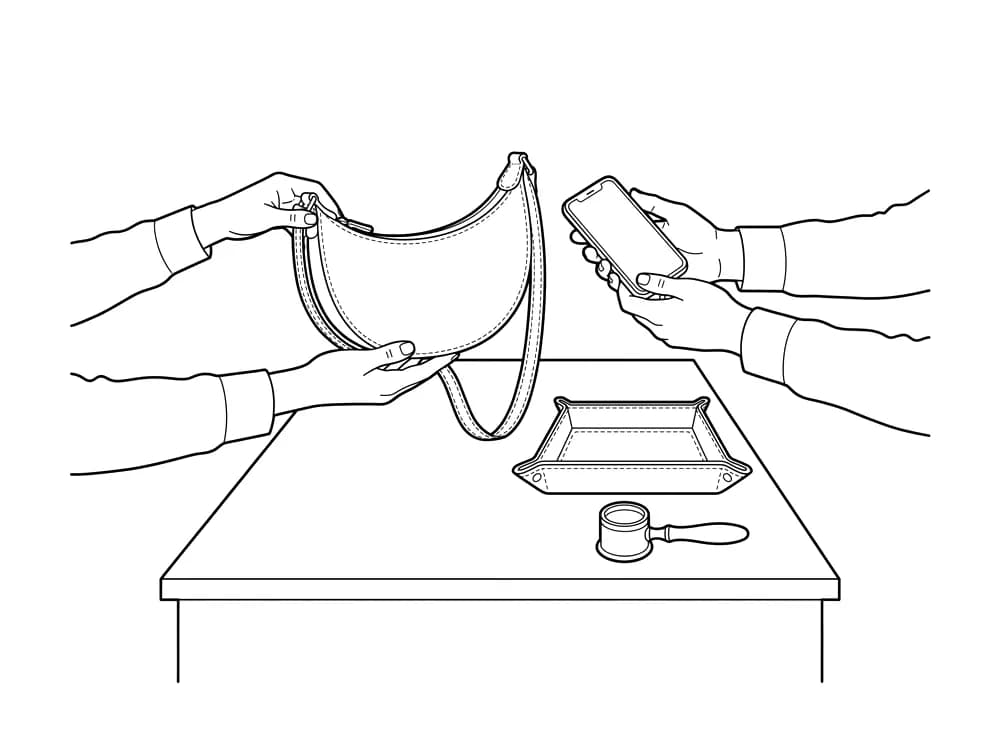
 01
Check trade-ins before you give credit.
A client brings a piece back for a voucher. Your advisor checks it in store, before the credit is issued. When the model allows it, the report gives an estimated era.
Stores · Trade-in · Clienteling
Authenticity checks for fashion and resale. Your team takes a few photos. LegitV checks them against a checklist built for that exact model, and tells you what it found.
Buying second‑hand yourself? Check one item →
One engine, set up for each step of your process. These are examples. We fit the checks to yours.
01A client brings a piece back for a voucher. Your advisor checks it in store, before the credit is issued. When the model allows it, the report gives an estimated era.
Stores · Trade-in · Clienteling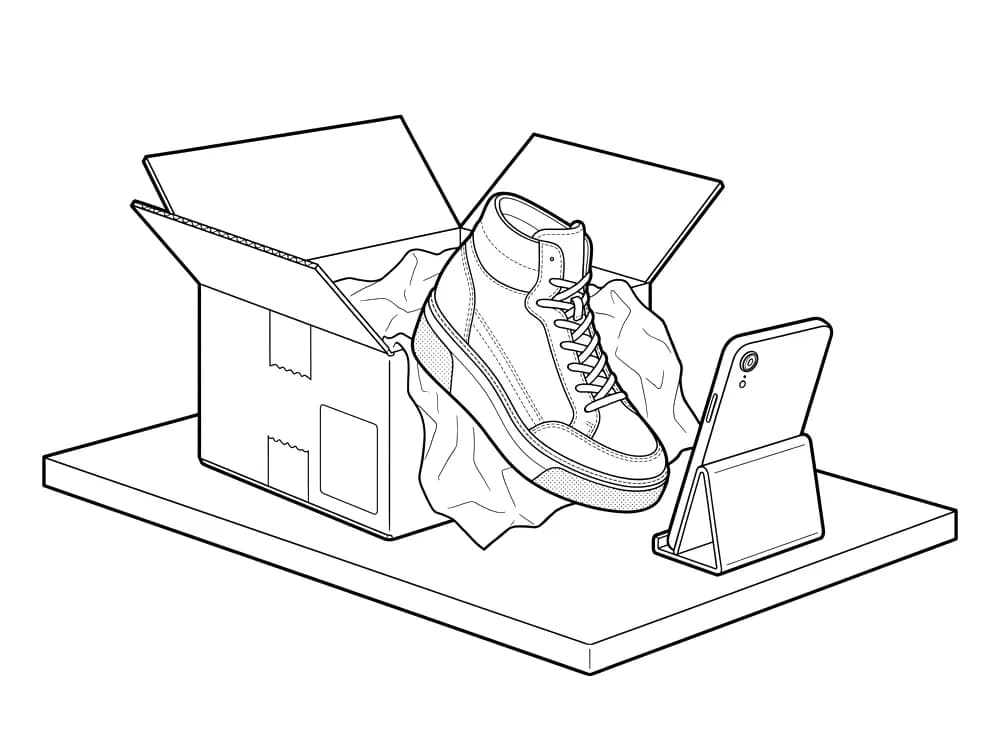 02
A fake swapped into a return costs you the refund, then goes back on the shelf. Your returns team checks it at the desk, in minutes.
Returns · Customer service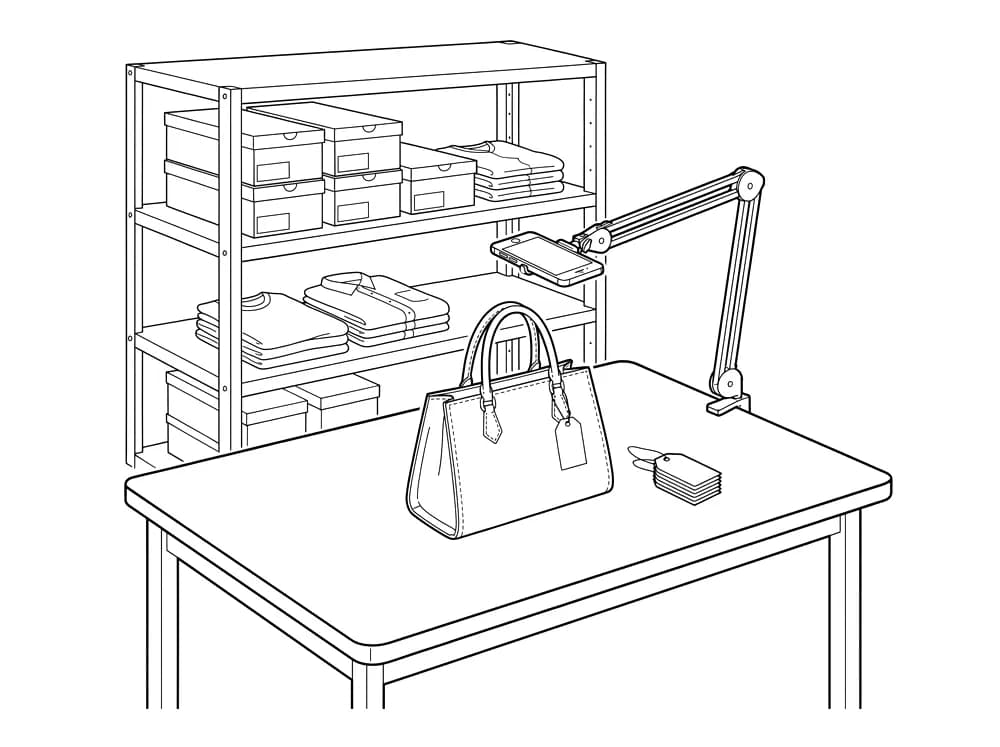 03
Buy-back, consignment, second-hand programmes. Nothing enters your stock without a check.
Logistics · Buying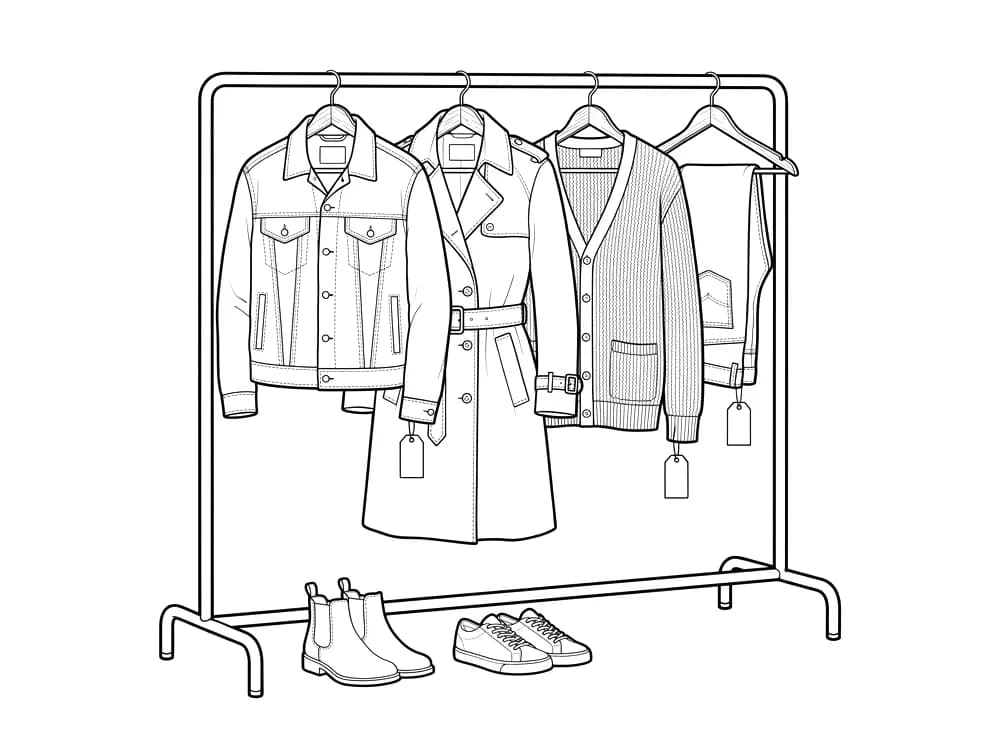 04
Marketplaces and vintage resellers send photos through the API. Clear cases go live. Doubtful ones go to your experts.
Marketplaces · ResellersAfter-sales, repairs, production review, insurance claims. Tell us where you need a check. We build it around your process.
Tell us your process →Every check ends on a score, from likely fake to likely authentic. Above your line, the item clears. Under the other, it is held. In between, an expert decides, with every point already laid out.
75%
45 of 60 checks. 15 go to an expert.Most returns are genuine: clear them fast, look closely at the doubtful ones.
Sample batch and example lines. You set your own. Your experts keep the last word.
We start from your product data. Each part of the technical sheet becomes points to check, with its weight and the photo it needs.
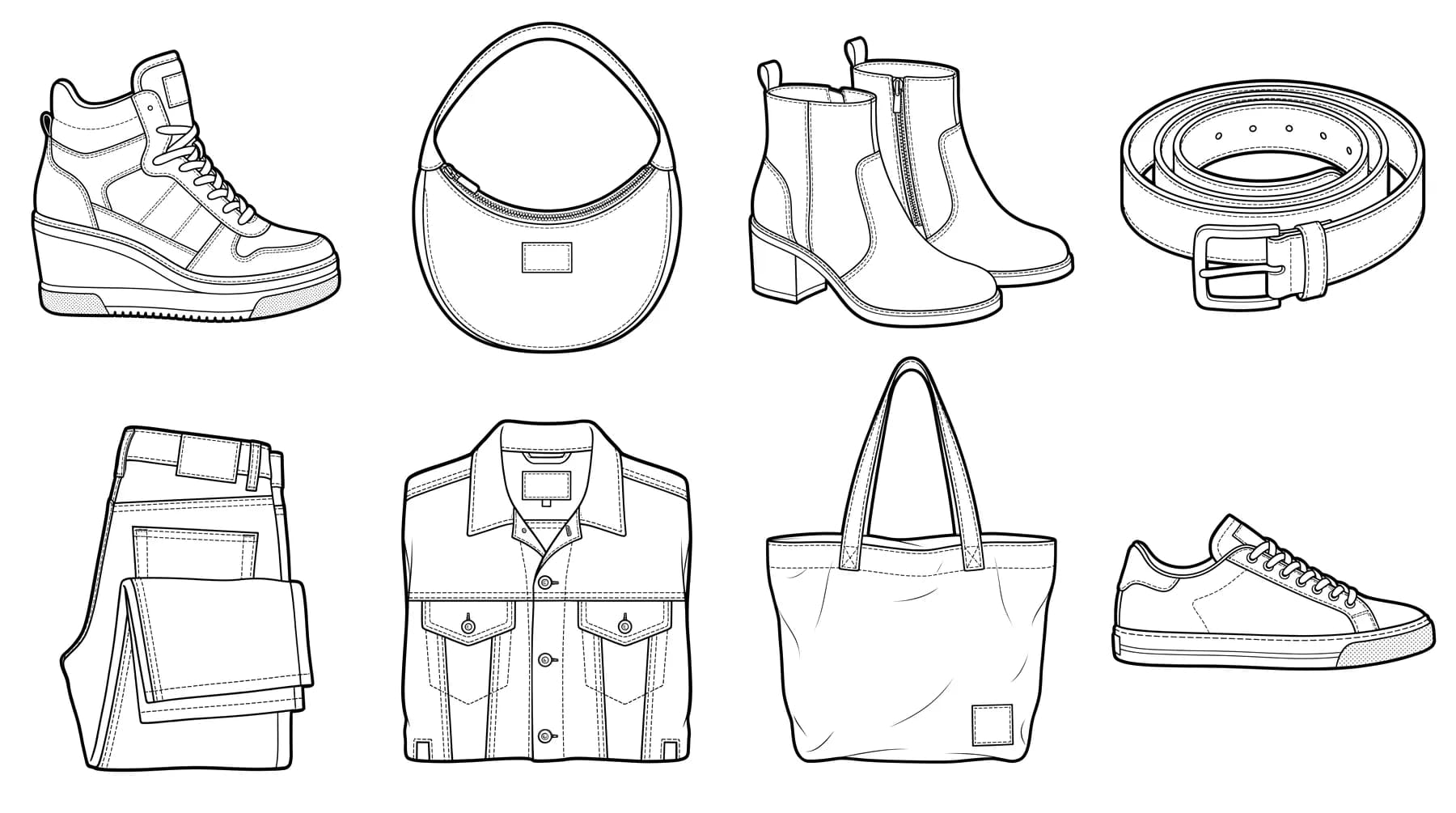
The app asks for the photos each model needs, point by point. No guessing what to shoot.
Each point carries its weight, the zone to look at and reference photos. Expert feedback flows back into the checklists.
We write the checklists from your sheets and your experts’ know-how. A pilot on a few models first, then the range.
Not a chatbot guessing from a photo. A pipeline made for authentication. Every check runs the same three steps.
Finds the labels, codes, stitching and hardware. Notes what each photo shows.
Looks up what an authentic one looks like, for this model and this code.
Each point is a match, not seen, or a red flag. Key points weigh more.
Sample run. A point we cannot see is never counted as a match.
The Point-by-Point Method · Why pre-checking changes the math
Sending every piece to a physical hub takes days and drowns senior authenticators in routine checks. Asking a general chatbot produces confident guesses on blurry photos. LegitV pre-checks every named point upstream so your experts only judge the borderline 15–30%, with every crop and reference already side by side.
~15s via API (or under 2 min with photos at the counter) vs. 15–25 min of manual reference lookup and inspection.
From €0.65 per check at API volume (€1.67 in self-serve packs) vs. €15–€50+ to route every item through a physical hub.
~70% of clear cases settle upstream. Experts decide the remaining 15–30% in 30 seconds without visual fatigue.
| Dimension | 01 · 100% Manual (no pre-check) | 02 · General LLM / Vision chatbot | 03 · LegitV Pre-Check + Expert |
|---|---|---|---|
| Speed per piece | 15–25 min (or 2–5 days shipped to a hub) | 15–30s of unstructured prose | ~15s API / < 2 min at the desk |
| Cost per check | €15–€50+ in hub handling & shipping | Low API cost, high cost on the first missed fake | From €0.65 at API volume (€1.67 in packs) |
| Blurry or hidden label | Manual back-and-forth to request photos | Guesses from context with high confidence | Marked Not seen — never counted as a match |
| 1 bad key point + 9 clean seams | Risk of eye fatigue after 200 items/day | Averaged into a flattering ~85% score | Immediate Key (×3) veto → Hold / Likely fake |
| Role of your human expert | Spends 70% of the day on obvious items | Re-checks everything from scratch | Decides only the 15–30% borderline cases, every point laid out |
Sources: LegitV production API (~15s) & credit packs (€0.65–€2.99) · OECD/EUIPO (2025): 62% of seized fakes are apparel, footwear & leather goods, 79% in small parcels (<10 items) ·NRF (2024): $101B–$103B in retail return fraud · FINER & HAC VLM studies (2024–2025): uncalibrated VLMs output 90–95% confidence on fine-grained visual errors.
Key points weigh more than details. Try it: change a result and watch the verdict.
92%
Likely authentic
Everything we can see matches.
Simplified. Each model has its own checklist, up to 34 points.
LegitV looks at the parts fakes get wrong. Bags, denim and your own pieces get their own parts list.
An internal tool, a service you offer, or an API behind your listings. Often all three.
On a phone or a tablet. At the returns desk, in the stockroom, in store.
Your advisor runs the check with the client and hands over the report.
Send photos or a listing link. Get the verdict and every point as JSON.
No expert to find. No days of waiting. A verdict in minutes.
Search the brand and the model. Each one has its own checklist.
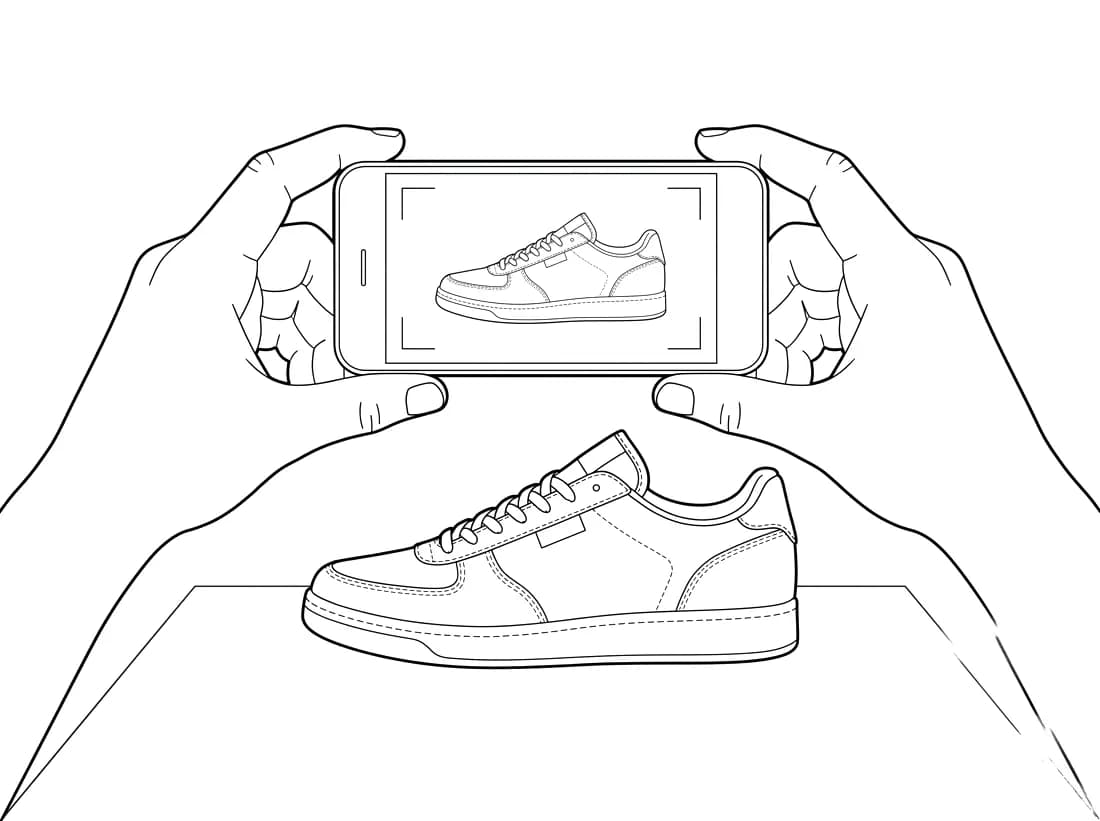
The app asks for the shots each point needs. Taken on the spot, or from a listing link.
Likely authentic, likely fake, or more photos needed. Every point is explained.
Playbooks Returns · Trade-ins · Product sheets · Stock intake · Resale
Returns, trade-ins, product data, quality control and resale: one playbook per step, backed by industry studies and research.
How luxury houses, multi-brand retailers, and e-commerce warehouses stop replica swaps at the returns desk in under two minutes.

How a maison’s product specs and expert know-how become a repeatable, point-by-point inspection grid for every season.
Why we took the opposite direction from whole-image chatbots: never count a blurry detail as a match, let one key red flag veto the piece, and pre-check in seconds so experts focus on the 15–30% borderline cases.
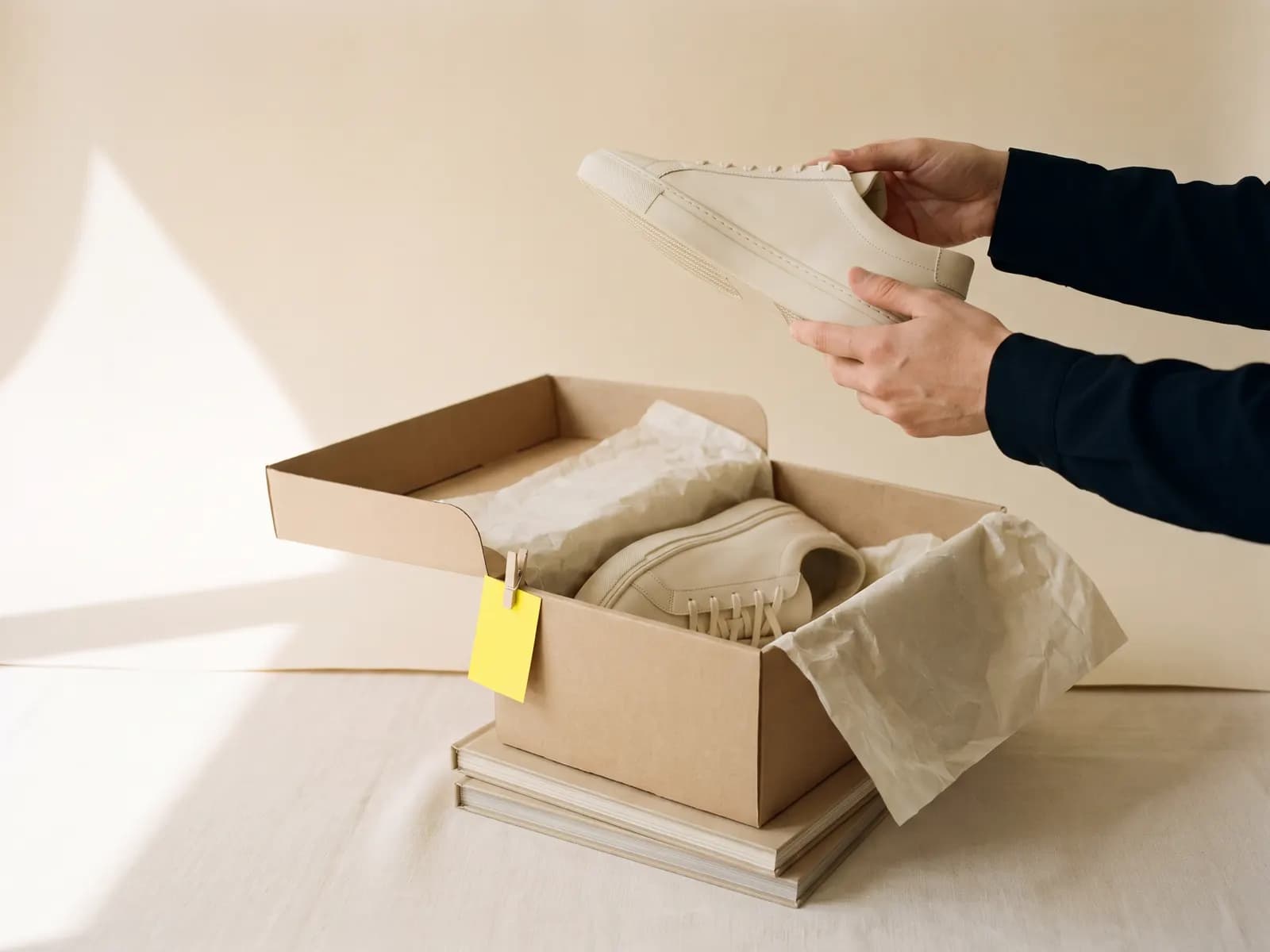
How buying teams, consignment warehouses, and production controllers check every piece at the door with a phone or tablet.

How boutiques, vintage resellers, and marketplaces verify second-hand pieces before issuing credit or publishing a listing—and prepare for EU ESPR traceability.
One credit is one check. If a check fails on our side, the credit comes back.
Tailored
Per check, or a monthly plan per store with checks included.
€2.99
a check. Down to €1.67 in packs.
Personal
Check one item before you pay. Same engine, same checklists. On Vinted, Vestiaire Collective or eBay.
Pay per checkA verdict in minutesLegitV for individuals →
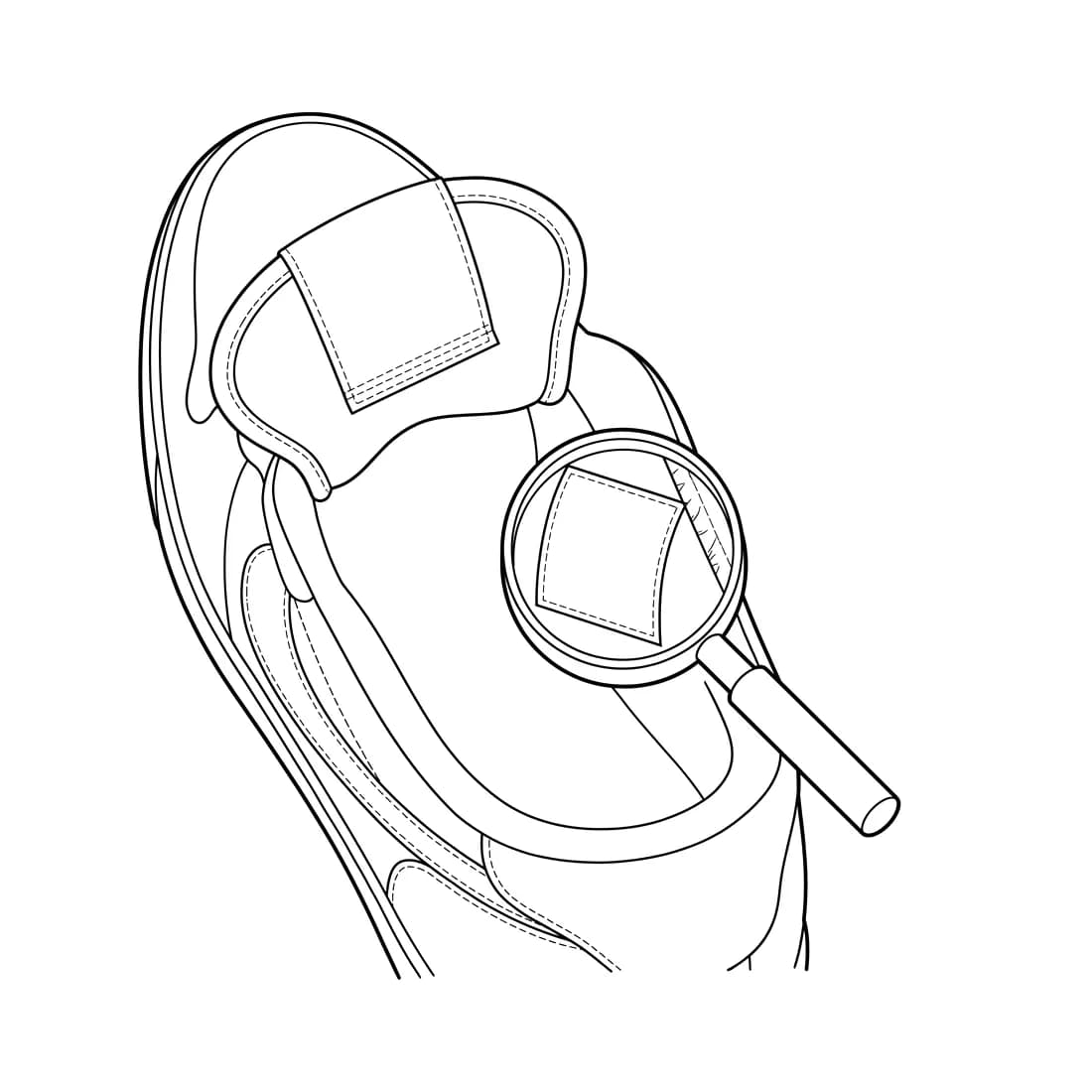
LegitV checks if a fashion item is authentic from its photos. It compares them to a checklist built for that exact model and gives a verdict with every point explained.
Yes. We build a checklist for each reference you want covered, from your technical sheets and with your experts: your whole range or a selection. A pilot on two or three models is a good start.
No. It pre-checks every point in seconds (~15s via API or under 2 minutes with photos at the counter), settles the ~70% clear cases upstream, and sends the 15–30% borderline ones to your experts with every crop and reference already laid out. LegitV gives a verdict and its reasons, never an automatic certificate.
A chatbot looks at the whole picture and answers with confidence, even when the label it needs is blurry. LegitV checks named points for that exact model, one by one: each one matches, raises a red flag, or is marked not seen. A point it cannot see is never counted as a match.
Each point has a weight (Key ×3, Major ×2, Minor ×1), and a red flag on a key point is enough to call a fake. The report gives a confidence level. When the photos are not enough, it says so.
That point is marked not seen, not failed. The verdict rests on the points that are visible, and when too few are, the report asks for more photos or sends the item to an expert.
In a web app on a phone or a tablet, nothing to install. The app asks for the photos each model needs. Your systems can call the API instead.
For businesses, per check (down to €0.65 at API volume) or a monthly plan per store with checks included, sized to your volume. Individuals pay per check (€1.67 to €2.99), with no subscription.